
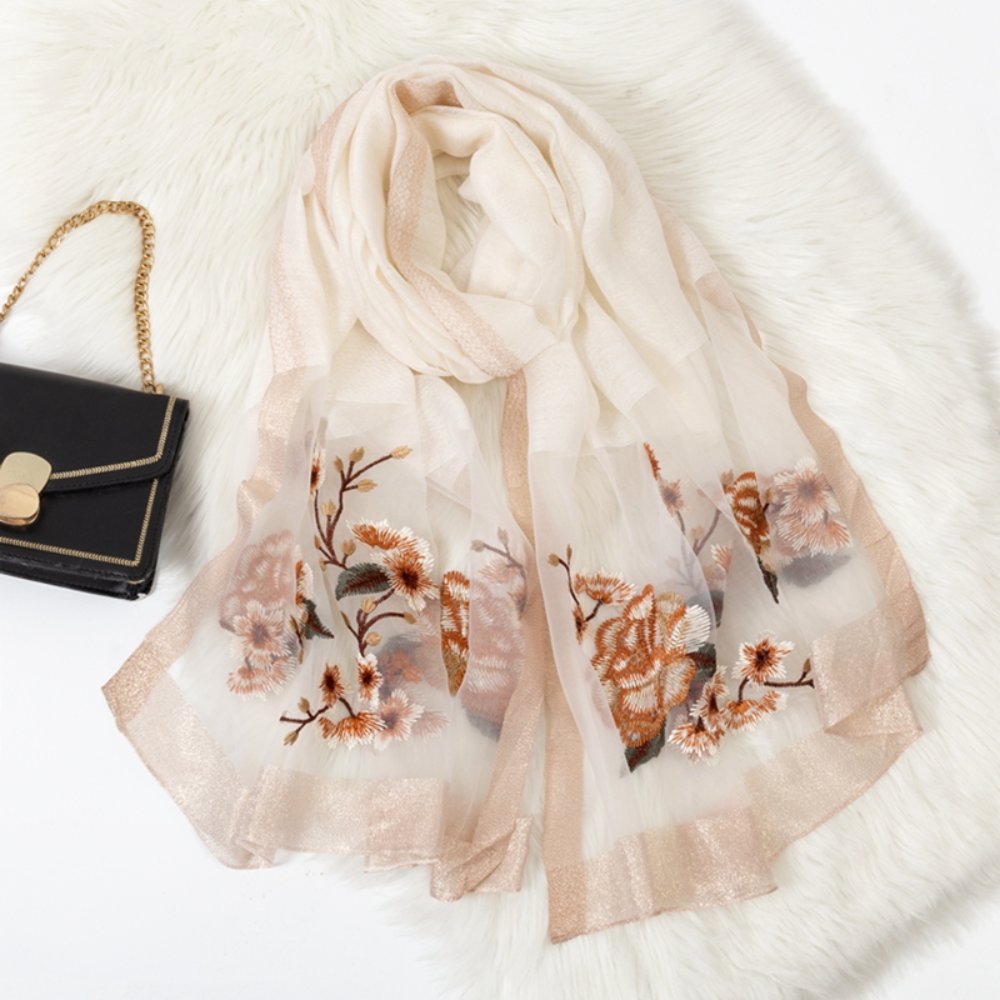
Embroidered Scarf Samples: Map Both Ends
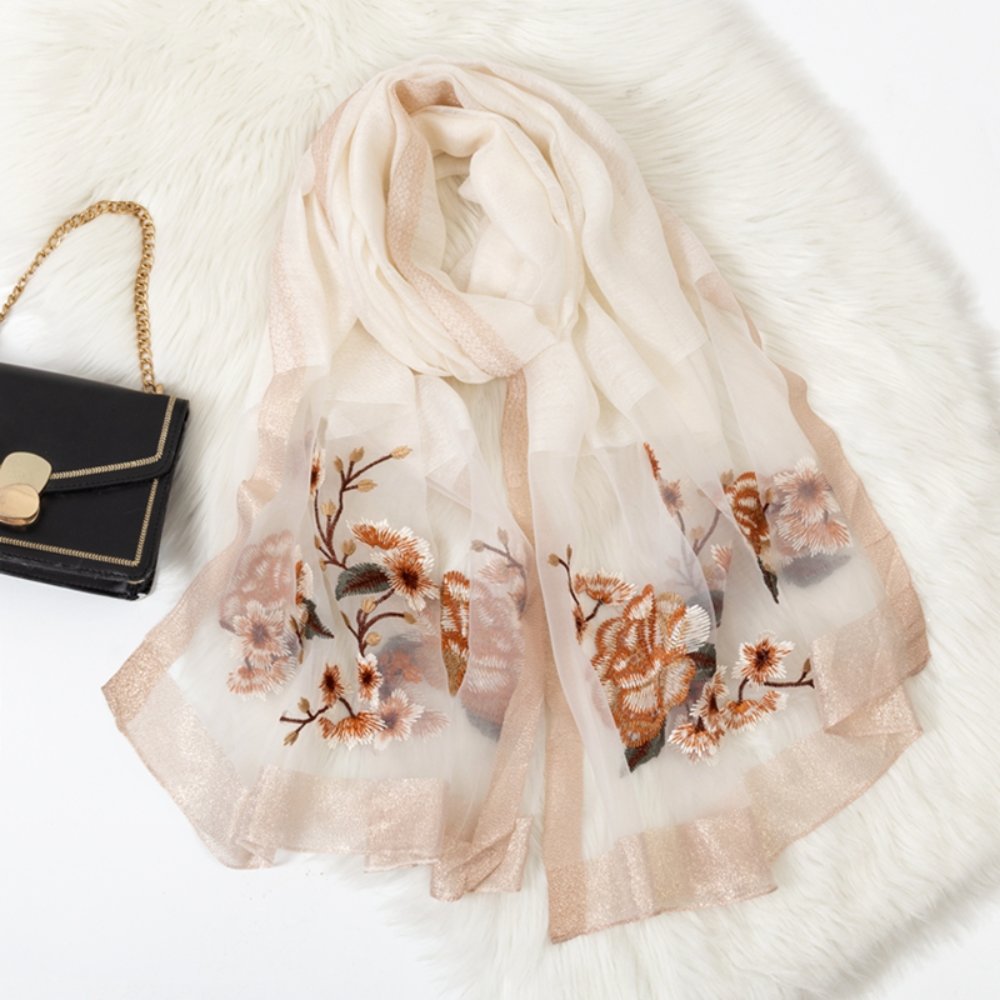
Approve an embroidered scarf by recording both ends, the relationship between each motif and the finished edges, and the appearance of the reverse. Use a flat sample and labelled photographs alongside the draped view. Confirm any decorative details separately, and keep the approved layout attached to the selected product and colourway.
A draped scarf photograph may show one decorative end clearly while hiding part of the other. For wholesale embroidered long scarves, that leaves purchasing questions about placement and orientation. A useful sample review opens the scarf out, identifies both ends and records which visible details were accepted, rather than relying on a general impression of the floral design.
Identify the selected embroidered reference
Yijia Tex offers an embroidered peony reference and an embroidered begonia reference. Keep these as separate sample records. A floral collection name is not enough to tell the supplier which motif and colour arrangement the buyer has selected.
Record the product link, chosen colourway and sample revision before reviewing details. If the buyer requests a change to an existing design, describe it as a request until the supplier confirms the proposal. Keep the catalogue photograph with the original reference so the requested version cannot be confused with the unmodified stock design.
- Product, colourway and revision identified
- Both ends labelled on the flat sample
- Front, reverse and adjacent edges photographed
- Open appearance and performance questions kept separate
Map both ends on a flat layout
Lay the sample flat and label its two ends using a simple convention agreed with the supplier. Mark the orientation of the design and identify which face is being photographed. Record the motif position relative to the end and side edges. Where a dimension matters, state the measuring points and units rather than estimating from a styled photograph.
Ask whether the intended layout is mirrored, repeated or otherwise different between the two ends. Do not assume symmetry because only one end is visible in the catalogue view. If the scarf is offered in several sizes, confirm how the layout changes for each selected size. A larger base fabric does not automatically define a larger motif or a wider placement gap.
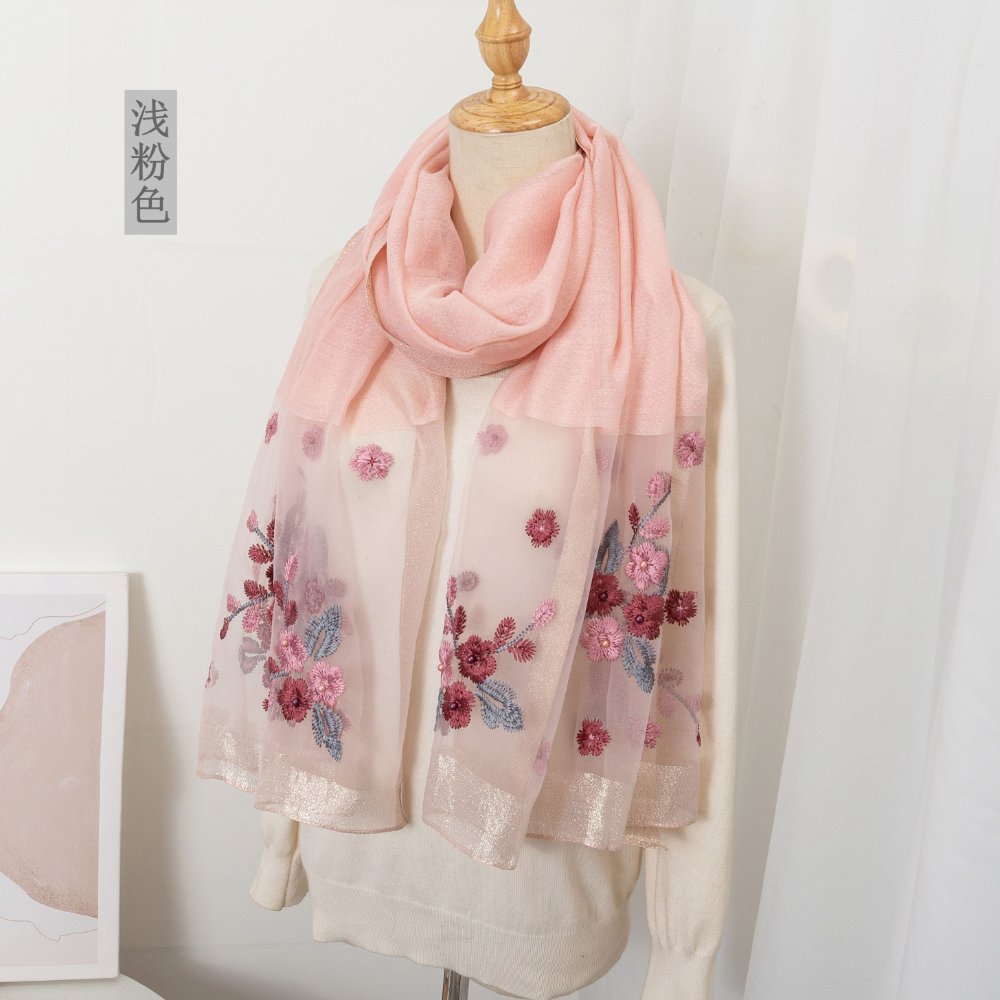
| Sample area | Observation to retain | Confirmation needed |
|---|---|---|
| End layout | Motif position and orientation | Repeated, mirrored or differing arrangement |
| Edges | Relationship to decorated area | Selected edge treatment |
| Reverse | Clear photographs of both ends | Expected construction appearance |
| Approval | Dated sample and requested changes | Final controlling revision |
Review the edge and reverse alongside the front
Photograph the reverse of each decorated area and the nearby edge treatment. Record visible loose threads, joins or other points that need supplier review without assigning an invented grading standard. Ask which reverse appearance the proposed construction will produce. An accepted front photograph alone may not explain what the buyer expects when the scarf is turned over or folded.
The begonia catalogue description mentions decoration at both ends and metallic yarn positioning at the sides. Confirm those features on the exact sample rather than applying them to every embroidered scarf. Separate the base fabric, embroidery and any raised decorative elements in the record. Their appearance does not establish the composition or method of attachment of each component.
Keep appearance acceptance distinct from performance
Use the sample to discuss the selected colours, motif arrangement and visible workmanship. If colour comparison is important, retain the physical reference and agree the viewing conditions. Screen photographs can help identify a version, but lighting and display differences make them an incomplete basis for a precise colour acceptance decision.
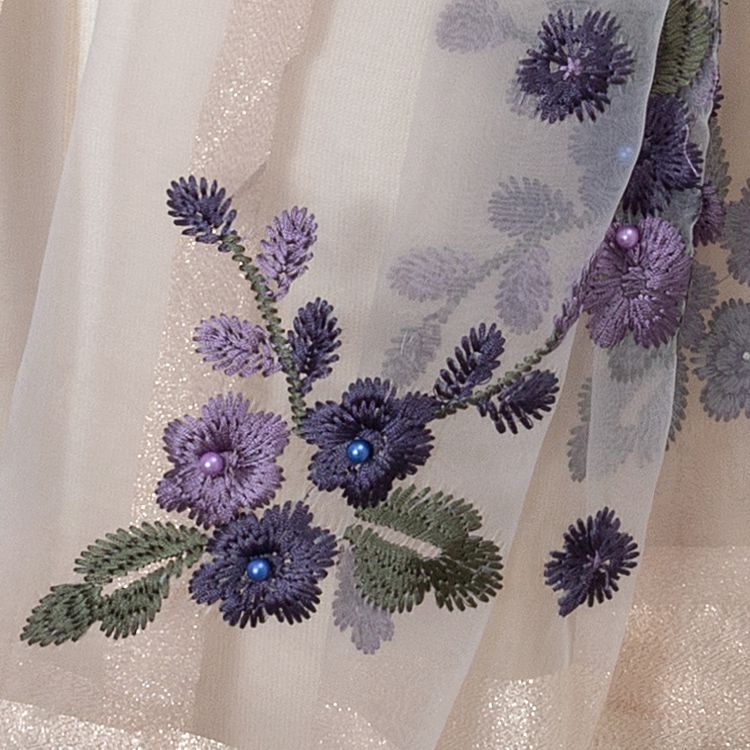
Ask for the product-specific information needed for any care or durability requirement. A close image of decorative stitching does not prove wash performance, colourfastness or resistance to snagging. Do not add such statements to a product listing on the strength of an attractive sample. Record the buyer’s requirement and the supplier’s evidence as a separate part of the review.
Release a dated layout decision
State whether the sample is accepted, requires listed changes or needs resubmission. Identify each open point and who must confirm it. Retain the flat layout, both end views, reverse photographs and the physical sample under the same revision. This provides a practical reference if another colourway or replacement sample is proposed later.
Before bulk approval, reconcile the accepted layout with the quotation and packing plan. A change in motif, edge or decorative component should be visible in a revised record. Review the current scarf catalogue for selection, while using the agreed sample and written response to define the version that will actually be ordered.
Frequently Asked Questions
Can one draped image approve the whole layout?
It may hide the other end and reverse. Retain a flat view and labelled photographs of both ends before accepting the layout.
Should a colourway inherit another sample’s approval?
Identify the exact colourway and ask which details remain unchanged. Keep any differences visible in the sample record rather than assuming a complete match.
Does attractive stitching prove wash durability?
No. Appearance acceptance and performance evidence are separate. Request suitable product-specific information for any required claim.
Share your annotated end layout through the Yijia Tex enquiry page. Read the company blog for more buying topics.