Scarf RFQs: Separate Style Names and Composition
For a scarf RFQ, record the selected product reference, style description, fibre declaration and construction in separate fields. Ask the supplier to confirm the exact quoted version and any missing composition information. A name describing a look or feel should not replace a clear material statement or define the contents of an assortment.
When sourcing wholesale scarves and headscarves, similar draped photographs can conceal important differences between product references. A commercial enquiry becomes easier to compare when the buyer separates appearance from composition and records what one quoted unit contains. This is especially useful when a collection combines jacquard, metallic details and products described with familiar style names.
Start with a traceable product reference
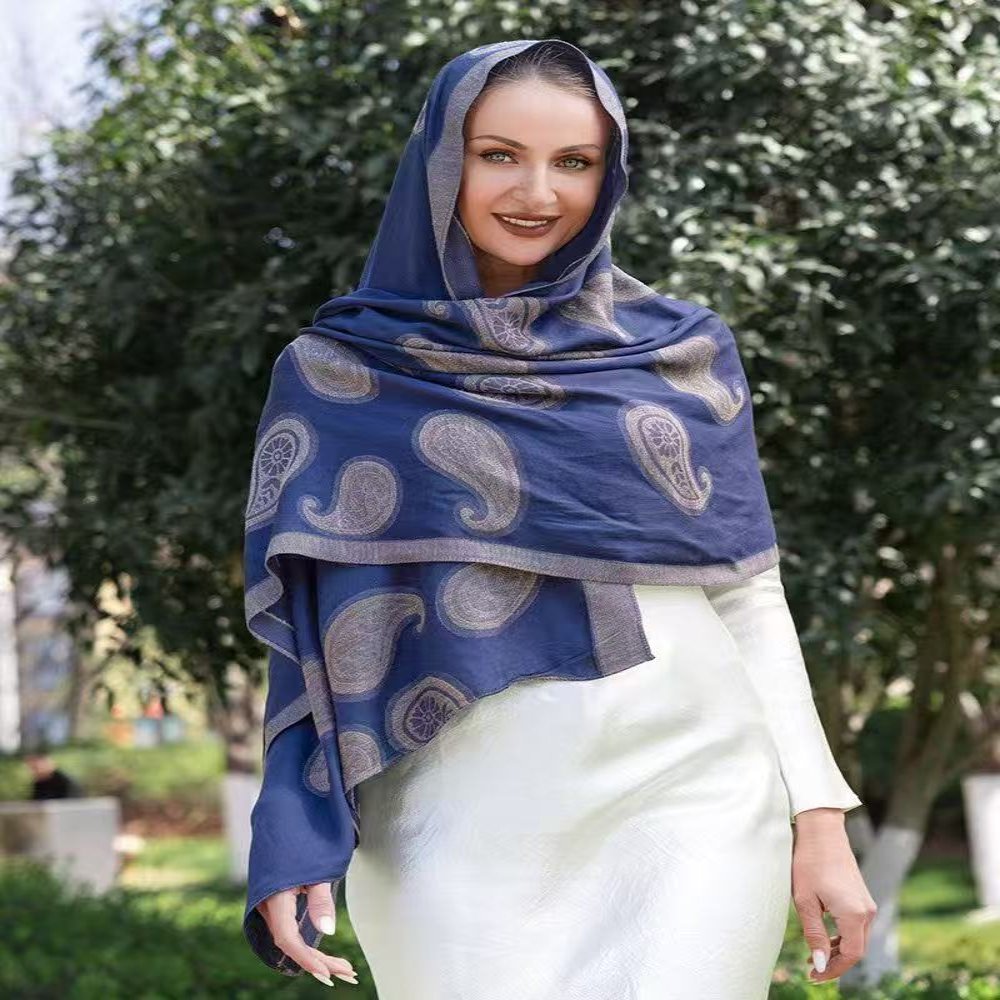
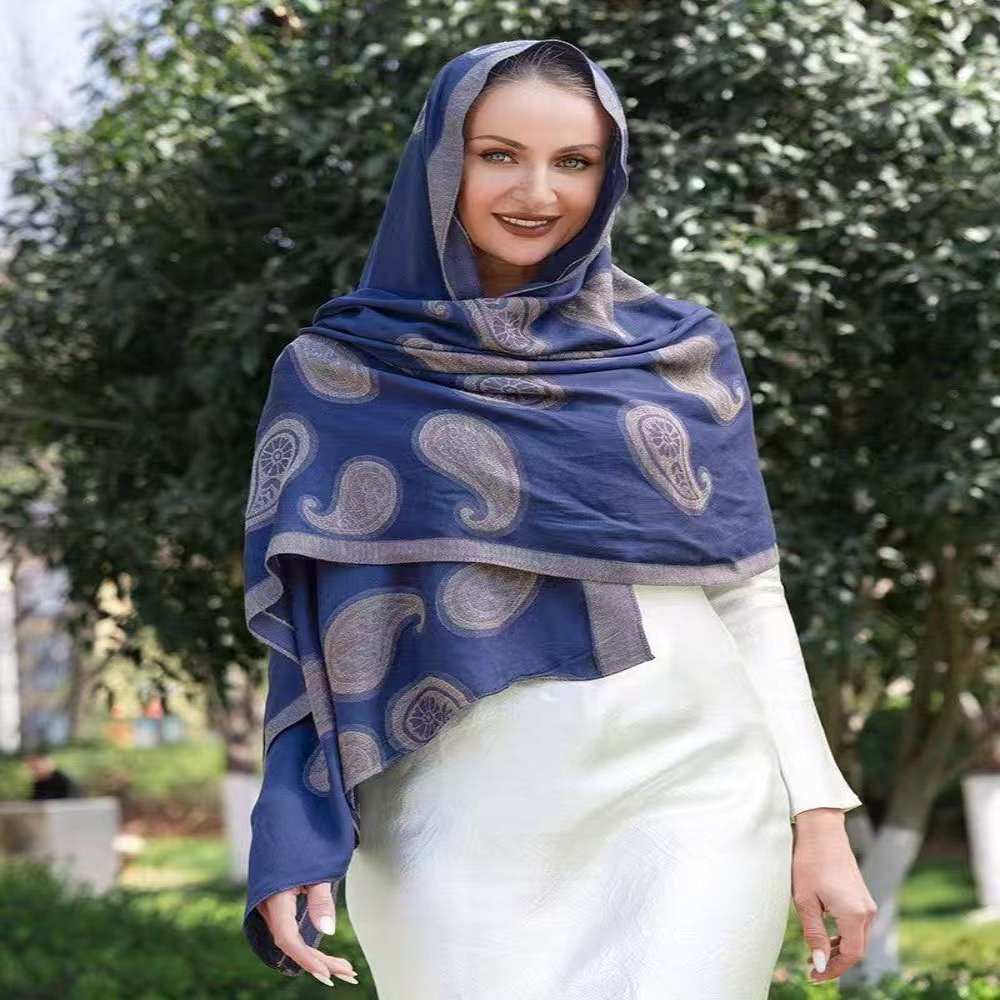
Yijia Tex lists a jacquard scarf reference with a cut-flower construction description. Give that product its own buyer line code and retain the selected photograph. A general request for a long scarf does not tell the supplier which pattern, surface or colour arrangement should form the quotation.
Keep a product URL and supplier reference beside each line. If the selected image shows a scarf styled as a head wrap or shawl, describe the required product rather than treating each styling use as a different included item. Record the quantity as individual scarves or a precisely defined assortment, and ask the supplier to confirm that unit.
- One line code per selected product and colourway
- Style name separated from fibre declaration
- Construction and decorative details recorded independently
- Quantity unit and supplied contents confirmed
Separate style wording from the material field
The faux cashmere reference is listed with polyester in its material field. Keep the catalogue style name and the stated material on separate lines in the RFQ. Do not turn a familiar style word into an unsupported fibre claim when preparing a quotation comparison or retail description.
Where the buyer needs a precise fibre declaration, ask the supplier to confirm the composition and any required percentages for the exact quoted version. Leave an incomplete answer pending. Copying a neighbouring product’s declaration can create a false specification, even when two photographs look similar. Retain the original catalogue wording as a source note rather than silently rewriting it as a confirmed order term.
| RFQ field | Record | Confirm for the quoted version |
|---|---|---|
| Identity | Product URL and selected image | Exact reference and colourway |
| Material | Catalogue wording as source note | Clear fibre declaration where required |
| Construction | Pattern, edge and decoration | Details applying to this version |
| Supplied unit | Individual scarf or defined assortment | Contents, labels and packaging |
Describe construction and decoration independently
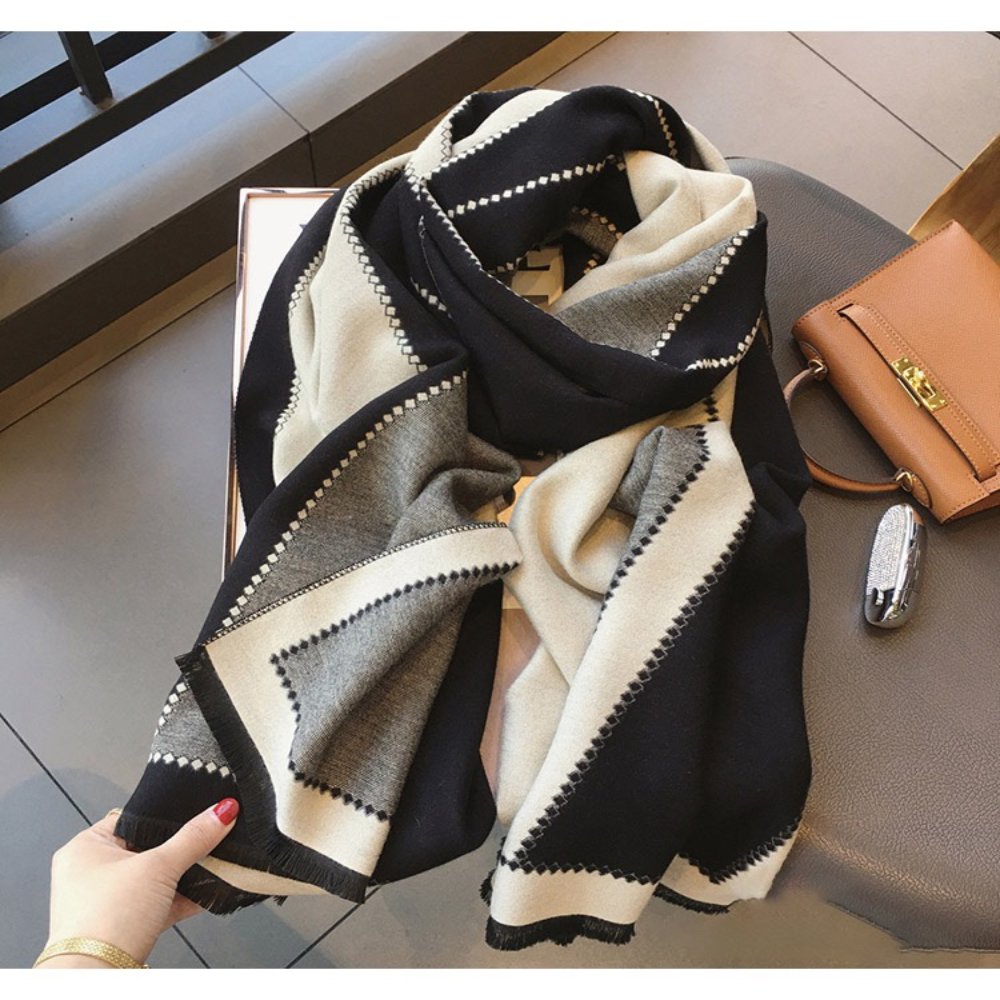
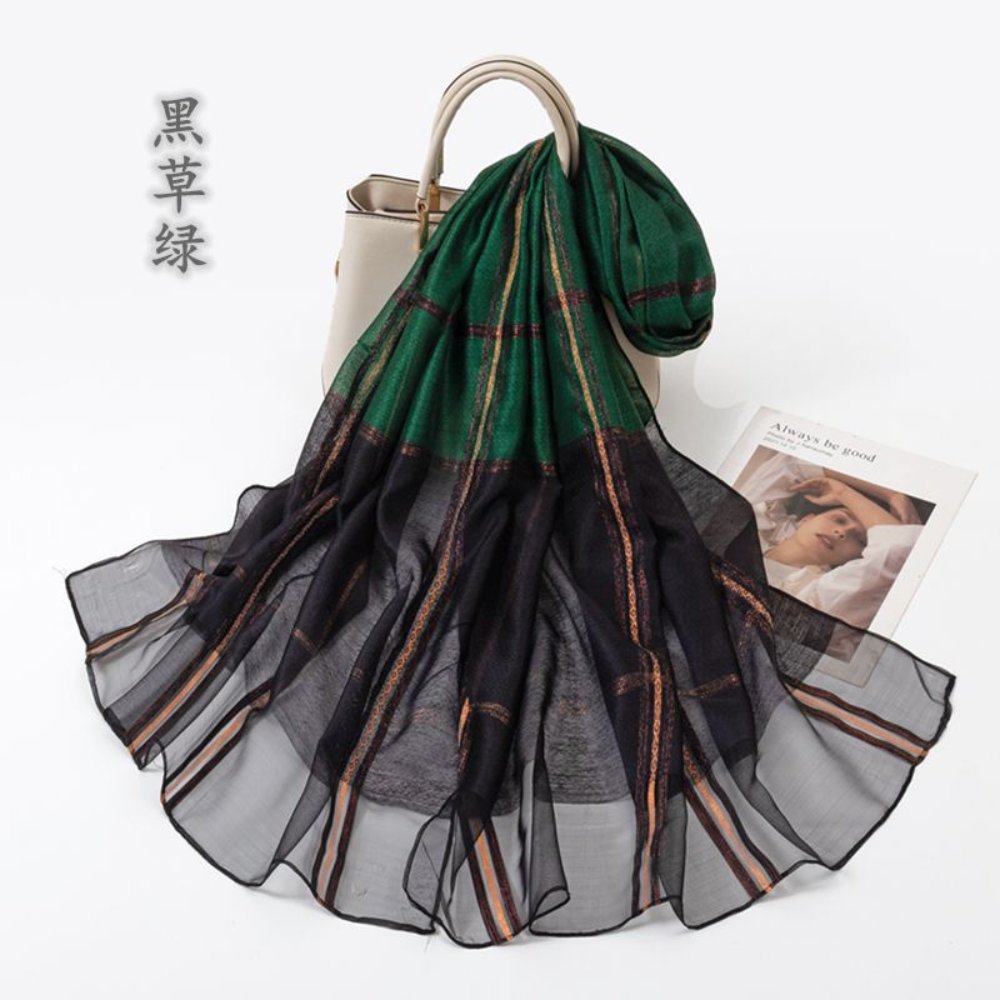
The metallic plaid scarf has its own pattern and construction description. Identify the selected design and ask which details apply to the proposed colourway. A bright appearance in a photograph does not establish the composition of a decorative thread or confirm how every part of the fabric is made.
Use separate fields for the main construction, edge treatment and any added decoration. Ask for a sample or additional view when a feature is unclear. If a colourway changes the visible contrast, retain a photograph of that exact choice. This keeps a supplier’s response attached to a particular scarf instead of a broad collection name.
Make dimensions and supplied scope explicit
Record the requested finished length and width with units, and ask how the supplier measures them. State whether fringes or other end features belong inside the measurement. Catalogue dimensions are useful selection information, but the order still needs an agreed definition and acceptance range. Do not invent a tolerance simply because a dimension looks rounded on the website.
List included packaging, labels and any requested presentation separately. Bags, jewellery or other props in a styled photograph are not automatically supplied with the scarf. If the buyer needs a coordinated pack, describe the exact contents and quantities. This allows the supplier to quote the merchandise and presentation on the same clear basis.
Compare responses against one RFQ revision
Date the enquiry and keep the supplier’s answers against that revision. Highlight unanswered material, size or scope questions before comparing prices. If the supplier proposes an alternative reference, record it as an alternative rather than replacing the original description without explanation. A lower quotation is not necessarily comparable when it refers to different merchandise or packaging.
Use the current product catalogue to select styles, then ask for order-specific commercial terms. Minimum quantity, price, sample charges and delivery remain questions until confirmed. Before releasing an order, link the accepted sample to its RFQ line and close the specifications that determine what the buyer is actually purchasing.
Frequently Asked Questions
Does a style name establish fibre content?
No. Keep style wording separate and request a material statement for the exact quoted product. Do not infer composition from appearance or hand-feel language.
Can one material declaration cover a collection?
Confirm its scope with the supplier. Similar-looking references may have different descriptions, so an answer should identify the products it covers.
Are catalogue dimensions production tolerances?
No. Ask how dimensions are measured and agree the required acceptance range separately for the order.
Send your line-by-line selection through Yijia Tex’s contact page. Visit the company blog for related procurement guidance.